
CBAM Compliance Support for Indian Exporters
We help Indian manufacturers quantify, document, and report embedded emissions so shipments to the EU stay compliant and competitive.
For Indian companies shipping steel, aluminium, fertilizers, cement, hydrogen and electricity-intensive products into the European Union, CBAM changes the way climate risk shows up in a balance sheet. Importers must report embedded emissions and, over time, pay a charge linked to the EU carbon price.
CBAM Readiness and Impact Assessment
We begin by mapping your export portfolio against the current CBAM product list and HS codes. Together we trace which plants feed which EU customers, how contracts are structured, and what emissions and energy data already exist from systems such as PAT, CCTS, ISO 14064 inventories or internal ESG reporting. From this we build an impact snapshot that flags high-volume products, probable carbon intensities, and the financial exposure range once CBAM certificates start carrying a price. This first step often surfaces low-hanging opportunities, such as metering gaps, missing process data, or unrecorded efficiency projects, which can significantly influence reported embedded emissions if we address them early rather than after an importer questions a declaration.
System Boundary and Data Architecture Design
Once we know which products matter, we work with your technical and finance teams to define system boundaries in line with CBAM and ISO 14067 concepts. This includes decisions about direct process emissions, fuel combustion, captive and purchased electricity, and selected upstream activities. We then design a practical data architecture: which meters, logs, laboratory systems, and ERP fields will feed the carbon model each quarter. Instead of suggesting fragile spreadsheets, we prefer to anchor data flows in systems you already use, adding simple templates where required. The result is a transparent chain from operator logs on the shop floor all the way to the emission figure that appears in the CBAM reporting file.





Product Carbon Footprint Calculation for CBAM
For each covered product, we construct emission calculations that convert physical activity data into CO₂-equivalent values with clearly documented emission factors. We align with ISO 14067 and the specific CBAM guidance on scope, allocation and treatment of by-products, using either plant-specific factors or credible secondary databases when primary data is unavailable. Every assumption is stored with references, units and calculation logic, so an external verifier or EU counterparty can replay the results without confusion. Over time we help your teams internalize these methods so that routine recalculation and scenario analysis for new product mixes, fuel switches or process changes become part of regular planning rather than a once-a-year scramble.
CBAM Reporting and Documentation Support
Once emission values are ready, we assist in populating the CBAM reporting templates, structuring the supporting documents and building a digital data room. This covers contracts, process descriptions, flow diagrams, metering layouts, fuel and power invoices, laboratory reports and any third-party verification records. We pay special attention to traceability between reported numbers and underlying documents so that responses to clarification requests are quick and precise. Where your EU importers prefer to file on their side, we coordinate with them to align formats and evidence expectations, reducing the risk of inconsistent data being uploaded for the same installation or product from one year to the next.
Supplier and Value-Chain Engagement
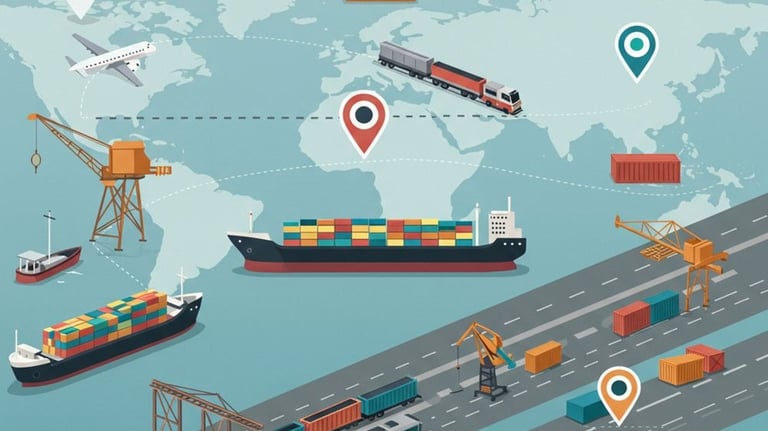
Many Indian exporters will depend heavily on data provided by upstream suppliers such as power utilities, raw material vendors or semi-finished product manufacturers. We design supplier data request templates, preferred formats, and quality criteria so your procurement and sustainability teams speak with one voice. When key suppliers are not yet ready to provide robust emission information, we help them understand why this matters for future business and how they can start building their own inventories in a phased manner. This cooperative approach builds resilience, since CBAM pressure will gradually spread along the value chain and those who move first will capture the most durable commercial relationships with European buyers.


Decarbonization Roadmapping Linked to CBAM
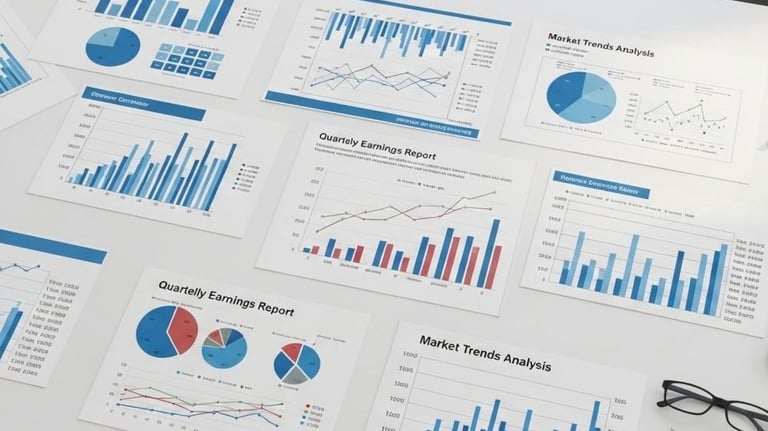
After a few reporting cycles, CBAM numbers will expose which plants sit on the left side of the cost curve and which facilities may face margin erosion as certificate prices rise. We help management teams use CBAM data not only for compliance but for capital allocation decisions. Together we build decarbonization roadmaps that combine energy efficiency projects, fuel switching, process improvements, and potential use of domestic schemes such as CCTS or renewable procurement. Each option is connected to its expected impact on embedded emissions per tonne, approximate payback, and relevance for EU customers’ own climate targets. This turns CBAM from a narrow reporting exercise into a driver for operational excellence and technology upgrading.
Capacity Building and Ongoing Advisory
We provide structured training for operations, sustainability, finance and export teams so that everyone understands their role in CBAM compliance. Sessions cover basic concepts, data responsibilities, interpretation of EU guidance updates, and hands-on practice with templates developed for your organization. After the initial implementation, we stay available through a retainer or call-off model to review new products, interpret regulatory changes, and support responses to external queries or audits. This long-term partnership model helps internal teams stay confident even as CBAM rules evolve and as more product categories or indirect emissions are potentially brought under the mechanism.